How to Wheelie in Escooter World
Speed, lean back, micro-adjust — and turn Wheelie Bonus into real cash.
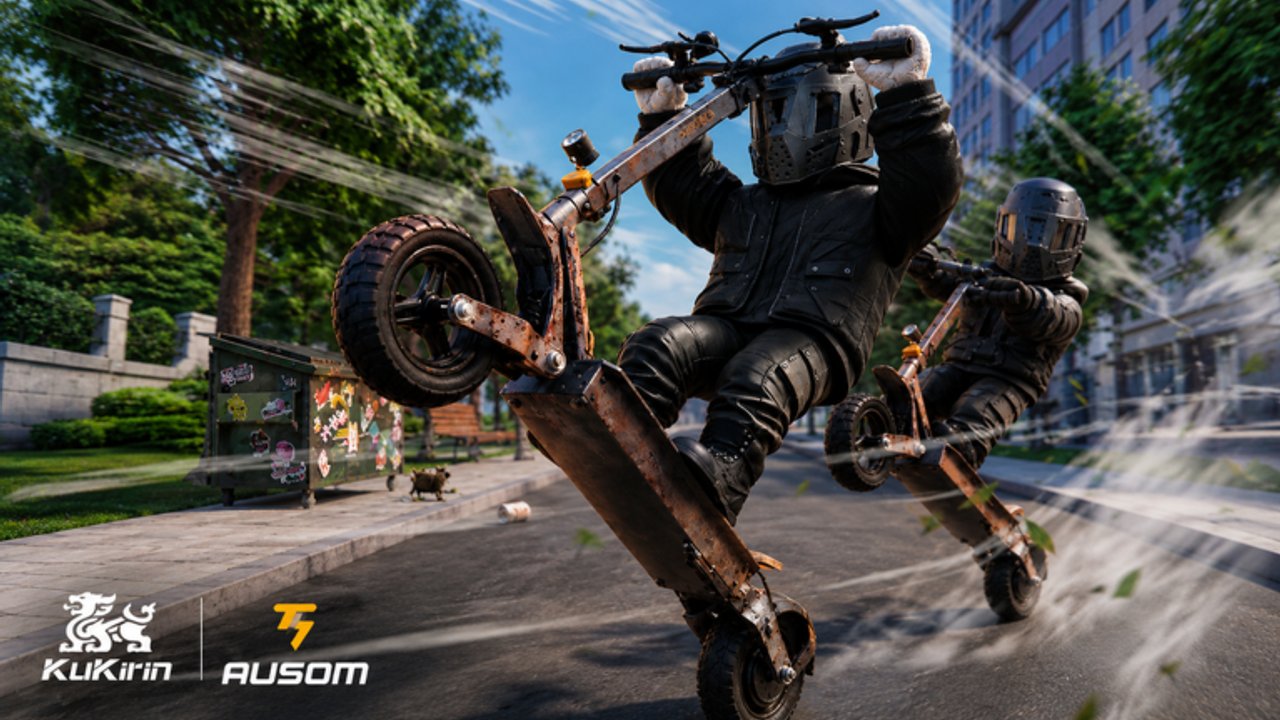
The wheelie is the signature skill in Escooter World for Roblox Ausom Scooter World. Realistic suspension and weight transfer mean the front wheel does not magically stick in the air — you earn balance with speed, lean timing, and tiny corrections. Mastering that loop unlocks the Wheelie Bonus cash multiplier and makes every Street Race and Free Ride trail more profitable. This guide assumes you already finished the basics in Getting Started and know where your lean inputs live on Controls.
Why wheelies matter
Ausom Scooter World pays for stylish, controlled riding. A clean wheelie does three jobs at once:
- Triggers and sustains the Wheelie Bonus multiplier on cash.
- Trains the same balance you need for race exits and trail landings.
- Shows whether your scooter and KuKirin parts actually improve stability or just top speed.
Players who skip wheelie practice often buy faster frames too early, then ragdoll more and earn less per hour. Technique first; horsepower second.
The core input loop
On PC the loop is:
- Hold W to build straight-line speed on flat ground.
- Ease into lean back with S (or down on a stick) once you have momentum — do not yank from a standstill.
- Use A / D as micro-adjustments to keep the chassis centered, not as hard steering while the nose is high.
- Feather throttle and lean so the front wheel stays up without looping over.
- Tap brake or reduce lean to plant the front wheel before a corner or obstacle.
Controller players mirror this with stick lean; mobile players use the on-screen lean controls described on the controls page. The physics do not change — only the fingers do.
Speed before lean
The most common beginner mistake is leaning back with almost no speed. Without forward momentum, the scooter rotates too fast and you flip into a ragdoll. Build a comfortable cruise first, then introduce lean in small doses. Think of speed as the stabilizer and lean as the pitch control. If you feel the nose climbing too quickly, release a bit of lean and keep throttle steady instead of slamming opposite inputs.
Micro-adjustments win long holds
Once the front wheel is up, stop thinking in big left-right turns. Tiny A/D taps correct drift. Over-steering mid-wheelie is how stylish clips become crash compilations. Watch the horizon line: if it tilts, correct early with a light tap rather than a full lean. The same idea applies on stick — small deflections beat panic flicks.
Space jump and trick inputs are for style after you can hold a straight wheelie. Mixing tricks into an unstable lean usually ends on the asphalt. Add tricks only when a ten-second straight hold feels boring.
Practice route one: west residential
Start in the west residential area. Streets are calmer, sightlines are short enough to force discipline, and traffic pressure is lower than downtown race lines. Goals for this zone:
- Five clean wheelies of at least three seconds
- Five more of at least eight seconds without touching a curb
- One run where you plant the front wheel on purpose before a turn
If you crash, reset mentally. Ragdolls are feedback about timing, not a reason to mash harder. After a flip, rebuild speed fully before the next attempt.
Practice route two: south riverfront path
When residential holds feel stable, move to the south riverfront path. Longer straights let you feel suspension settle and practice throttle feathering at higher speed. Goals:
- Hold a wheelie through a gentle curve using only micro A/D
- Maintain Wheelie Bonus without panic-braking every bump
- End the hold deliberately before a tighter section
Riverfront is also where you notice part differences. If a KuKirin upgrade claims better wheelie behavior, test it here with the same line you used before the purchase. Subjective “feels faster” is weaker evidence than a longer clean hold on a known path.
Stamina, boost, and Shift
Shift boost burns stamina and can help you reach wheelie speed sooner, but boosting while already pitched back is risky. Preferred pattern: boost on two wheels to reach pace, release boost, then lean into the wheelie. If stamina hits empty mid-hold, expect the chassis to settle awkwardly — plan boosts for entry, not for panic saves.
Parts that amplify Wheelie Bonus
Community progression heavily favors KuKirin parts that improve wheelie stability and bonus strength. Pair those with frames that already sit high on the Best Scooters list. Rough tier context:
- S — Leopard Pro and top KuKirin race builds that keep the nose predictable at speed
- A — Ausom Leopard and Gallop with thoughtful upgrades
- B — mid KuKirin street models for players still learning long holds
- C — starter and early cash scooters that teach physics with less power
Do not assume an S-tier scooter fixes bad timing. A stable B-tier setup with clean technique often out-earns a panicked S-tier launch. Cross-check spending advice with How to Earn Cash so every part purchase raises cash per hour.
Wheelie Bonus farming tips
- Prefer long safe straights over crowded race starts when you only need cash.
- Chain short reliable holds if one long hold keeps failing — consistency beats highlight-reel attempts.
- Stop a hold early when you see debris, players, or a sharp crest; planting on purpose preserves the multiplier streak better than a ragdoll.
- After patches, retest your riverfront line and skim Updates for physics or part changes.
Connecting wheelies to races
Street Races reward speed and clean lines. Use wheelie skills for controlled exits and for cash between events, not for blocking your own apex. If a race route has a long straight, a short Wheelie Bonus segment can pad earnings — only when you can plant before the next turn. Free Ride remains the best classroom; races are the exam.
Troubleshooting common failures
- Loop over backwards — you leaned too hard too early; add speed, reduce lean rate.
- Nose drops immediately — not enough speed or you released lean entirely; feather instead of on/off.
- Sideways ragdoll — over-steered mid-hold; shrink A/D to taps.
- Good hold, then random crash — check stamina, bumps, and whether boost kicked in mid-lean.
Next steps
Drill residential, then riverfront, then mix in Free Ride trails that match your comfort. Spend savings using the Tier List Hub rather than random shop scrolling. Keep codes redeemed via Codes, and return to Guides whenever a new mechanic page drops. Wheelies are not a side trick in Escooter World — they are the economy engine. Treat practice like progression, and the Wheelie Bonus will fund the scooters you actually want.
Frequently Asked Questions
Quick answers to the most common questions.
How do I start a wheelie on PC?
Build speed with W, then lean back with S. Use A/D only for small corrections while the front wheel is up.
Where should I practice wheelies?
Begin in west residential for short controlled holds, then use the south riverfront path for longer high-speed practice.
What is Wheelie Bonus?
Wheelie Bonus is a cash multiplier that applies while you hold a controlled wheelie. KuKirin parts can amplify it.
Should I boost during a wheelie?
Usually boost to reach speed first, then lean. Boosting hard while already pitched back often causes flips when stamina runs out.
Do better scooters make wheelies automatic?
No. Higher-tier scooters and KuKirin parts help stability, but timing and micro-adjustments still decide whether you hold or ragdoll.